
Our Work
Where Imagination and Education Intersect
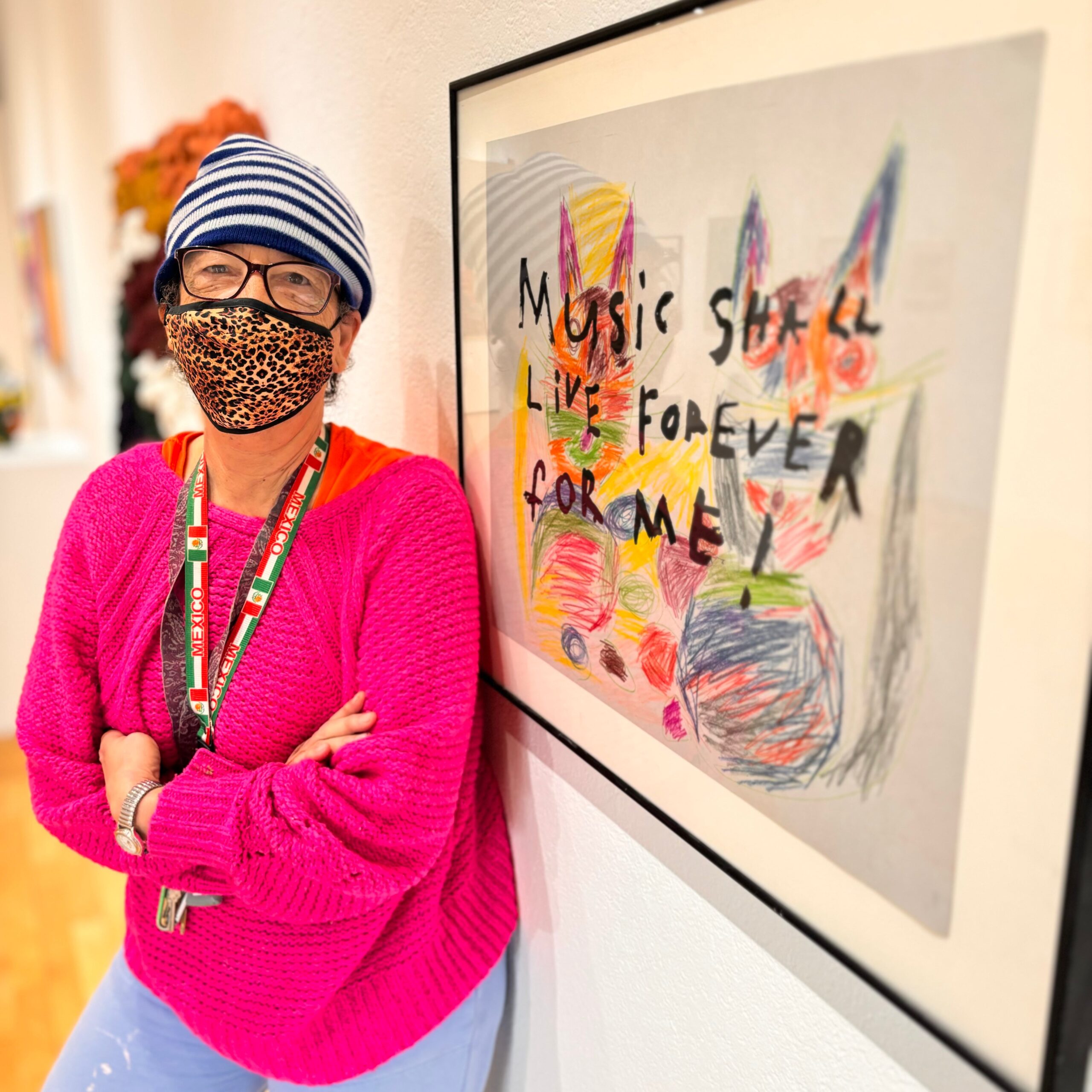
Our work in Education and Learning is the cornerstone of the Fairfax Arts Coalition for Education, focusing on the intentional, high-fidelity integration of artistic processes directly into academic subjects, moving beyond simple craft projects to deeply embed artistic thinking into the cognitive framework of every student. This involves deploying our trained teaching artists into classrooms to collaborate with core subject teachers (such as history, math, or science teachers), co-designing lessons where the creation of an art product—be it a theatrical scene, a graphic novel, or a musical composition—becomes the vehicle for demonstrating mastery of the academic standard. For example, a middle school history unit on the American Revolution might require students to create a series of narrative paintings or dioramas that visually depict the key ideological struggles and emotional turmoil of the era, forcing them to synthesize complex historical facts and express them through composition, color symbolism, and narrative structure. This active synthesis and expressive translation lead to deeper retention of academic content, enhanced critical analysis skills, and a much more personal and engaged learning experience, providing a vital pathway for students who may not thrive in traditional, purely lecture-based settings.
Play & Exploration
Nurturing Curiosity and Resilience Through Creative Freedom
The element of Play and Exploration is purposefully woven into all our programming, recognizing that unstructured, imaginative engagement is the essential fuel for true innovation, resilience, and emotional intelligence in young people. We create carefully curated environments—whether in our workshops or through school residencies—that are psychologically safe, providing students with the freedom to experiment, take creative risks without fear of failure, and explore materials and concepts guided by their own innate curiosity. In our dedicated studio programs, students are given open-ended prompts, such as “What does gravity sound like?” or “Design a machine that expresses pure joy,” which necessitates a playful, iterative process of trial and error, a methodology that mirrors real-world scientific research and artistic development. This focus on process over product fosters a healthy attitude toward mistakes, which are reframed as essential data points in the creative journey, ultimately building critical emotional resilience and the ability to pivot and adapt, skills that are infinitely valuable regardless of a student’s chosen career path. This joyful exploration is the incubator where the seeds of future creativity and innovation are allowed to truly take root and flourish.

Social & Emotional Development
Using Collaborative Arts to Build Empathy and Communication
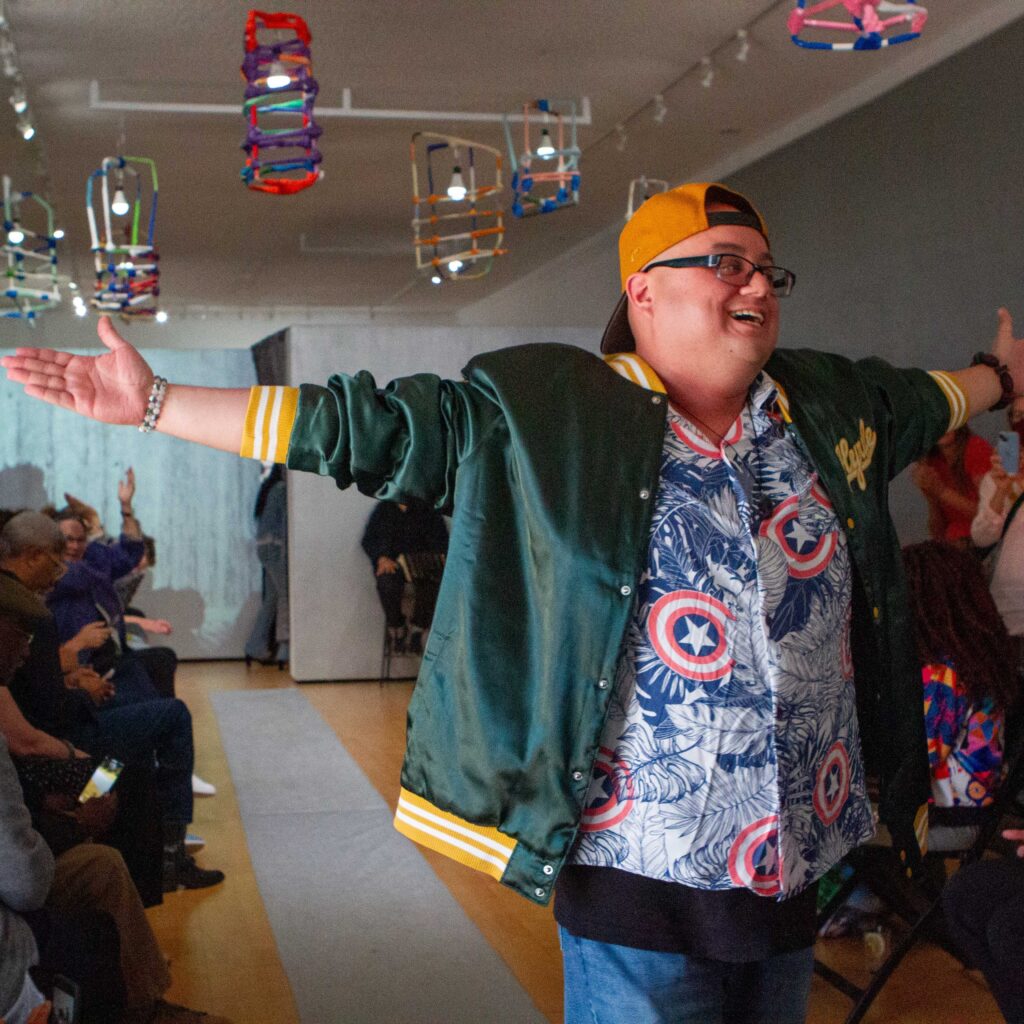
Our work is deeply committed to supporting Social and Emotional Development (SEL) through collaborative art-making, leveraging the unique power of the arts—especially theatre, dance, and collaborative visual projects—to build empathy, improve communication, and strengthen social bonds among students. Group activities, such as creating a collective mural that requires compromise on color schemes and design elements, or participating in a dramatic improvisation exercise that demands active listening and non-verbal communication, naturally require students to practice core SEL competencies in an immediate, tangible context. Students must learn to express their ideas assertively yet respectfully, interpret the intentions and feelings of their collaborators, and work through creative disagreements toward a shared, successful outcome, all while navigating the emotional dynamics of a high-stakes group project. These experiences are structured to build self-awareness, responsible decision-making, and relational skills that are essential for navigating school and life successfully. By providing a safe space for expressive outlet and structured peer interaction, FACE programs are a vital therapeutic and developmental resource, particularly for students grappling with challenges in conventional social settings.
Programs/Services
Tailored Creative Pathways for Every Age and Interest
The Fairfax Arts Coalition for Education offers a meticulously structured sequence of programs that cater to the full range of developmental stages, ensuring that students from the earliest years through young adulthood have access to appropriate, challenging, and inspiring arts-integrated learning experiences. Our programming begins with the Early Explorer Series for children ages 3-5, which uses tactile, sensory-based visual and musical activities to develop fine motor skills and pre-literacy concepts through playful, guided exploration. The Elementary Arts Integration Residencies (K-5) focus on using the arts as a tool to master core academic subjects, incorporating activities like mask-making to study ancient civilizations or choreographed movement to understand mathematical patterns. For Middle School (6-8), we emphasize interdisciplinary investigation and career pathway exposure, utilizing digital media, filmmaking, and theatre to tackle complex ethical and social issues. Finally, the High School Creative Leadership Track (9-12) provides advanced portfolio development, mentorship opportunities with professional artists, and specialized workshops focused on the business of art, preparing students for arts-related college programs or creative careers, ensuring a seamless, growth-oriented pathway for all ages.

Community & Engagement
Building Bridges of Creativity Across Fairfax County
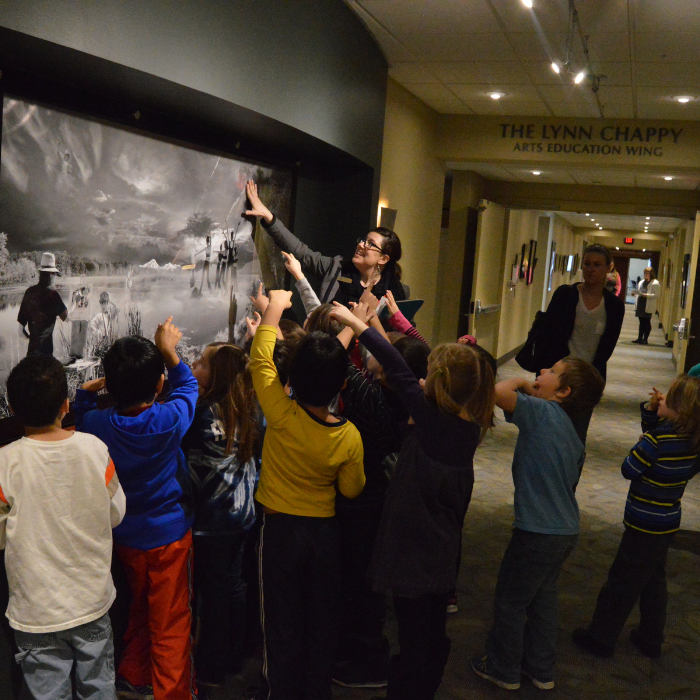
We fundamentally view family involvement not as an optional addition but as an absolutely vital component of a student’s success and the core mission of the Fairfax Arts Coalition for Education, recognizing that artistic learning is most potent when it is nurtured and celebrated within the home environment. We actively empower parents and guardians to become engaged partners in their child’s creative and academic journey by hosting a series of accessible, hands-on family workshops focused on simple, powerful arts integration techniques that can be applied daily, such as using sketching to improve observation or incorporating creative storytelling into family routines. Beyond workshops, we ensure consistent and transparent communication regarding program goals and student achievements, and we actively recruit parents to volunteer in capacities that align with their skills and time constraints, from organizing logistics for showcases to serving on advisory committees that help shape the future direction of our programs. By fostering this robust collaboration between students, educators, and families, we build a cohesive support system that reinforces the value of creativity as a shared, life-long family value, ensuring that the benefits of our work extend far beyond the school day.
testimonials
Hearing How Art Has Transformed Their Children’s Learning

“Before joining the FACE drama program, my son, Liam (Age 10, Elementary), was intensely shy and often struggled to speak up in class, even when he knew the answer; he lacked the necessary confidence to express his ideas publicly. Within just one semester of the theatre residency, where he learned improvisation and character development, his teacher reported a monumental shift: he started volunteering to read aloud, initiating group projects, and even took the lead role in the school play’s showcase. The program didn’t just teach him how to act; it gave him the essential tool of embodied communication and the self-assurance to know that his voice, whether spoken or performed, holds genuine value. He’s now a completely different student—engaged, expressive, and ready to tackle challenges that he previously would have avoided entirely—and this transformation is absolutely attributable to the supportive, risk-taking environment that FACE provided in his school.” — Sarah M., Parent, Elementary Group
“The High School Creative Leadership Track was truly transformative for my daughter, Chloe (Age 16, High School). She was always artistically gifted, but the FACE program connected her passion for drawing with a professional understanding of graphic design and portfolio creation, treating her creativity as a serious career path rather than just a hobby. The mentorship she received from a local professional illustrator, who guided her through a collaborative community project, was invaluable. She learned about client briefs, managing deadlines, and pitching her ideas, skills that are immediately applicable to any professional environment. The program provided her with the technical skills, the business acumen, and, most importantly, the necessary confidence to apply to some of the nation’s top art schools, proving that FACE is serious about turning creative talent into tangible career capital.” — David L., Parent, High School Group
“Our family has been involved with the Fairfax Arts Coalition for Education since its inception, and the difference their presence makes in our school environment is palpable, especially for our youngest, Noah (Age 6, Early Childhood). The early childhood visual art program, integrated directly into his kindergarten class, completely changed how he approaches complex problem-solving. When faced with a challenging math worksheet, he doesn’t panic; he instinctively starts sketching out possible solutions and diagrams the problem first, using the visual organization skills he learned in the art studio. This cross-curricular thinking is a direct result of the FACE methodology, which teaches children that creation and problem-solving are fundamentally intertwined processes. The warmth and professionalism of the teaching artists are exceptional, and they create a joyful atmosphere where every child feels seen and encouraged to express their unique perspective without judgment.” — Jessica K., Parent, Early Childhood Group
“As a former teacher myself, I appreciate the academic rigor and the deep pedagogical thought that goes into the FACE programs. My son, Ethan (Age 12, Middle School), participated in the science and sculpture residency, where he had to build a working kinetic sculpture to demonstrate Newton’s laws of motion. This was a far more effective learning tool than any lecture or textbook could offer, forcing him to apply physics concepts in a physical, functional way that demanded precision and artistic execution. The complexity of the project, and the need to troubleshoot structural failures repeatedly, taught him resilience and iterative design thinking better than any standard class. The FACE program successfully merges hard science with creative engineering, offering an unparalleled learning experience that truly prepares students for a future where interdisciplinary skills are absolutely essential.” — Robert H., Parent, Middle School Group